What This Article Covers
How workplace drivers can represent their company through safe driving, professional behaviour, clear communication, vehicle care, punctuality, and respectful interactions.
What Does Your Driver Say About Your Business?
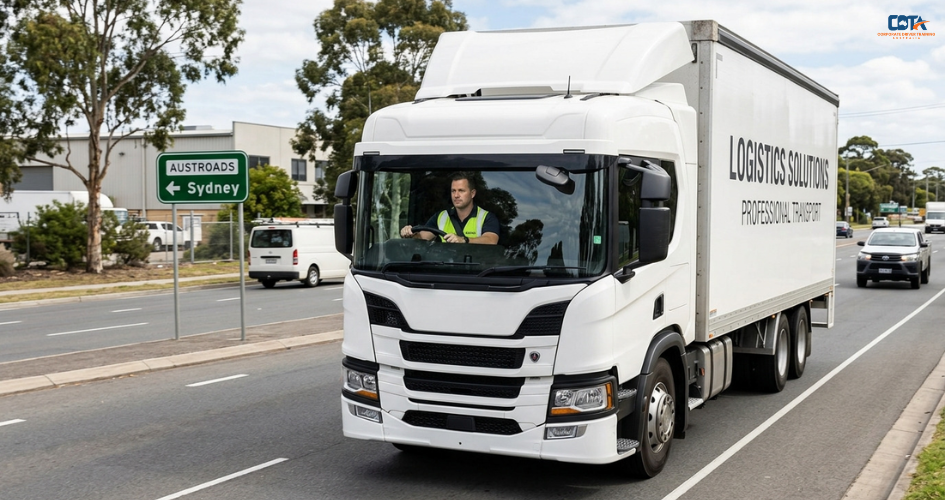
Ever wondered what your driver might be saying about your business to the people around them? Your company vehicle carries more than an employee or client from one place to another. It carries your business name with it. From how a driver handles traffic to how they treat passengers, everyday behaviour can shape how people experience your organisation. A client may notice a company vehicle cutting through traffic, tailgating another driver, or parking carelessly outside their premises. They may never mention it, but they will notice. For employees who drive as part of their work, professionalism does not stop when they leave the office. Corporate driver training can go beyond a defensive driving course, helping employees build safer driving habits while understanding the professional standards expected when representing their company on the road.
Drive Like You Represent the Business
Safe and responsible driving should always come first. Usually, the basic expectations from a corporate driver include following road rules, staying focused, managing speed appropriately, and avoiding distractions. And a defensive driving course can help corporate drivers to develop stronger hazard awareness and decision-making skills, but professional driving also comes down to everyday choices. Giving other road users space, remaining patient in traffic, and avoiding aggressive behaviour can make a noticeable difference.
Make a Good First Impression
Your driver may be the first person your client meets when being collected from an airport, visiting a worksite, or travelling to a business appointment. So, even the smallest of details can shape that first interaction. Dressing appropriately, greeting passengers politely, and keeping the vehicle presentable all show that the driver takes their role seriously. These simple habits can help create a more comfortable experience for clients and colleagues.
Keep the Vehicle Clean and Ready
Nobody expects a company vehicle to look perfect after every trip, but it should be clean, tidy, and suitable for its purpose. Regular checks can also help identify issues that need attention before they become bigger problems. Tyres, lights, brakes, fluid levels, and other important components should be maintained according to the vehicle manufacturer's recommendations and the business's maintenance procedures. Looking after the vehicle is part of looking after the people who use it.
Be Courteous, Even When the Road Gets Frustrating
Traffic can test anyone's patience. However, a driver representing a business needs to think beyond their immediate frustration. Aggressive lane changes, unnecessary honking, tailgating, or confrontations with other road users can create risks and leave a poor impression. Staying calm, allowing extra time, and treating other drivers with courtesy are simple ways to maintain professionalism behind the wheel. This is an area where a driver safety training course can support broader workplace expectations by helping employees understand how behaviour and decision-making affect driving risk.
Communicate Clearly When Plans Change
Traffic delays, road closures, vehicle problems, and unexpected changes can happen even when a journey has been carefully planned. What matters is how the driver responds. If a client or coordinator needs to know about a delay, communication should be clear, timely, and respectful. There is no need to make excuses or blame other road users. A simple update and a practical solution can prevent a small problem from becoming a frustrating experience.
Stay Calm When Things Go Wrong
Work-related driving does not always go according to plan. A missed turn, difficult traffic, an unexpected breakdown, or a stressful interaction can quickly put a driver under pressure. Staying calm helps the driver think clearly and focus on what needs to happen next. If a situation becomes unsafe, finding a safe place to stop and seeking appropriate assistance should take priority over staying on schedule.
Remember What the Vehicle Represents
For many businesses, vehicles are seen by customers, suppliers, pedestrians, and other road users every day. That means the driver's behaviour can become part of how people experience the brand. Good driver training programs can help businesses establish clear expectations around safe and professional driving. For organisations with multiple vehicles, fleet driver training can reinforce these standards across the wider team, while defensive driving training for employees can help address the specific risks drivers face on the road.
Professionalism Does Not Stop at the Office Door
Representing a company on the road is about more than arriving on time or keeping a vehicle clean. It is about making responsible decisions, treating people with respect, communicating clearly, and staying composed when things do not go according to plan. These everyday behaviours can shape how clients, customers, and other road users view your business.
Give your drivers the skills to represent your business with confidence. CDTA's corporate driver training programs help businesses build safer driving habits, improve driver awareness, and set clear standards for workplace driving. Contact CDTA today to discuss a fleet driver training program tailored to your drivers, vehicles, and business needs.
Frequently Asked Questions
Q1. Why is driver etiquette important for businesses?
A: Employees who drive for work can interact with clients, customers, suppliers, and other road users. Their driving behaviour and conduct can influence how people perceive the business.
Q2. What does professional driving etiquette include?
A: It includes following road rules, driving courteously, keeping the vehicle presentable, communicating clearly, respecting passengers and other road users, and staying calm when problems arise.
Q3. Can driver training improve professional driving behaviour?
A: Yes. Driver training can reinforce safer decision-making, hazard awareness, responsible driving habits, and appropriate responses to common workplace driving situations.
Q4. What should businesses include in driver training programs?
A: Training can cover defensive driving, hazard perception, distraction, fatigue, speed management, following distances, and other risks relevant to the employees' driving duties.
Q5. How can fleet driver training benefit a business?
A: Fleet driver training can help businesses establish consistent driving expectations across employees, reinforce safer habits, and address risks that are specific to their vehicles, routes, and work activities.