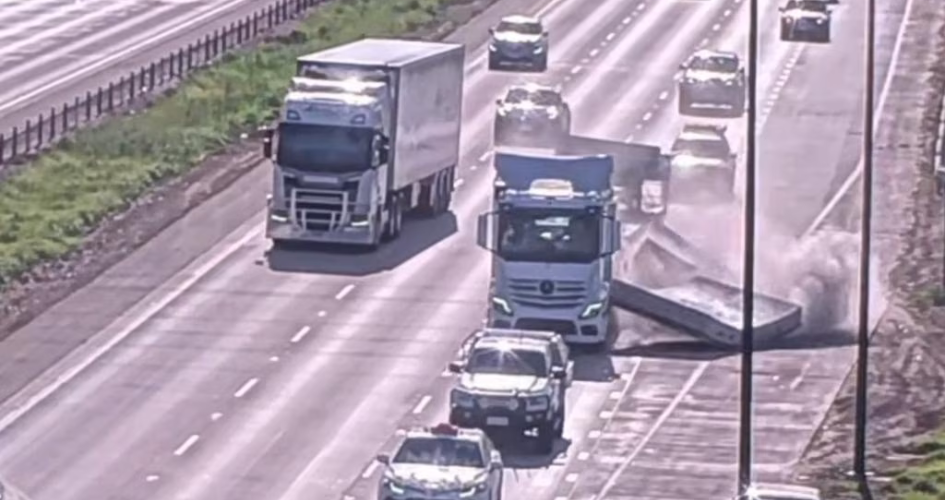
source:news.com.au
What This Article Covers
Learn what the Adelaide concrete slab incident reveals about load restraint failures, driver distraction, Chain of Responsibility obligations, and practical steps to improve fleet safety.
A Serious Reminder That Load Safety Can't Be Overlooked
We talk a lot about road safety in work-related driving, but how many corporate drivers actually drive safely? A recent incident on Adelaide’s North-South Motorway in Bolivar highlighted how dangerous unsecured heavy-vehicle loads and driver distraction can be. Two 15-tonne concrete slabs slipped off a heavy transport vehicle and smashed onto the motorway lanes, triggering severe traffic delays and shedding light on some critical road safety breaches. In the aftermath, an investigation by the South Australian Police (SAPOL) Heavy Vehicle Enforcement Unit reported the driver for multiple offences, including failing to secure a heavy vehicle load, using a mobile phone while driving, and failing to wear a seatbelt.
While no one was severely injured, the incident reminded corporate drivers that even a single breach in load securing or a driver’s lack of focus can lead to disastrous consequences. To prevent such incidents, businesses must start taking workplace driving safety seriously. One of the most effective methods is to enrol your workforce in a structured defensive driving course and implement strict load-securing protocols. This article discusses the critical lessons this incident teaches us and explores how fleet managers can enforce compliance under Australian Chain of Responsibility (CoR) laws.
1. Load Restraints Are the First Line of Defence
Every heavy vehicle load must be properly restrained so it stays secure throughout the journey. Under National Heavy Vehicle Regulator (NHVR) requirements, loads must withstand the forces created by braking, cornering, sudden lane changes and uneven road surfaces. Heavy materials such as concrete panels, steel beams and machinery generate enormous force when a vehicle changes speed or direction. If restraint equipment is incorrectly used, poorly maintained or unsuitable for the load, even a small shift can quickly become a serious safety hazard.
What Fleet Operators Can Do
For fleet operators, this means making load restraint part of everyday practice. Drivers should understand correct load distribution, use the right restraint methods for different cargo types, inspect equipment before every trip and replace worn or damaged restraints promptly. Regular fleet driver training helps reinforce these habits and reduces the risk of costly mistakes.
2. Driver Distraction Can Trigger Serious Consequences
Police also identified mobile phone use as one of the alleged offences following the Adelaide incident. Heavy vehicles require more stopping distance and greater planning than passenger cars, so even a brief distraction can have serious consequences. When a distracted driver brakes suddenly, the forces placed on both the vehicle and its load increase dramatically. If the load restraint system is compromised, the cargo can shift or even become dislodged. It's a clear example of how two seemingly separate issues, distraction and poor load restraint, can combine to create a dangerous situation.
3. Chain of Responsibility Means Everyone Has a Role
Load safety isn't the driver's responsibility alone. Under Australia's Heavy Vehicle National Law (HVNL), the Chain of Responsibility (CoR) framework places legal obligations on everyone who can influence transport safety, including fleet managers, business owners, schedulers, loaders and consignors.
Strong compliance comes from building safe systems, not simply reacting when something goes wrong. Clear load restraint procedures, regular driver training, routine equipment inspections and accurate safety records all help reduce risk while creating a workplace where safety becomes part of everyday operations.
4. Why Driver Training Still Matters
Even the best safety policies won't prevent incidents if drivers aren't confident applying them on the road. Every trip brings different conditions, from heavy traffic and unexpected hazards to changing weather and tight delivery schedules. Regular fleet driver training helps build the skills and judgement needed to respond safely, make better decisions under pressure and recognise risks before they become serious problems.
For fleet operators, investing in defensive driver training is about more than meeting compliance requirements. It helps create a stronger safety culture where safe driving becomes part of everyday work. Drivers gain a better understanding of load management, hazard awareness and defensive driving techniques, while businesses benefit from fewer incidents, lower risk and greater confidence that their teams are prepared for the challenges of the road.
Build a Safer Fleet, One Journey at a Time
The Adelaide concrete slab incident shows how quickly everyday oversights can turn into serious consequences. Securing loads correctly, eliminating distractions and following safe work practices aren't just compliance requirements. They're essential steps in protecting drivers, businesses and everyone who shares the road. Professional defensive driving courses can help drivers develop the necessary habits to ensure safety and compliance on the road.
At Corporate Driver Training Australia, we help organisations build safer fleets through practical defensive driver training programs tailored to real workplace conditions. By giving drivers the skills and confidence to make safer decisions every day, businesses can reduce risk, strengthen compliance and create a safer future for everyone.
Frequently Asked Questions
Q1. What are heavy vehicle load restraint requirements in Australia?
A: Heavy vehicle loads must be restrained in accordance with NHVR requirements, so they remain secure during braking, cornering, acceleration and normal road conditions. The restraint method should be suitable for the type and weight of the load being carried.
Q2. Who is responsible for load restraint under Chain of Responsibility laws?
A: Responsibility is shared by everyone who influences transport activities. Depending on the circumstances, this may include drivers, fleet managers, business owners, loaders, schedulers, consignors and consignees.
Q3. Why is load restraint training important for commercial drivers?
A: Training helps drivers understand how to secure different types of loads correctly, identify potential hazards before departure and reduce the risk of load shifts or cargo loss during transport.
Q4. How can fleet operators improve heavy vehicle safety?
A: A combination of regular vehicle inspections, effective load restraint procedures, driver training, distraction management and ongoing compliance monitoring can significantly improve fleet safety.
Q5. What should be checked before transporting a heavy load?
A: Drivers should inspect restraint equipment for wear or damage, confirm the load is evenly distributed, ensure restraints are correctly tensioned and verify the vehicle is safe to operate before leaving the site.