What This Article Covers
Learn how defensive driving helps drivers spot hazards early, create more time to react, manage distractions, and make safer decisions on Australian roads.
Most Crashes Don't Start With a Crash
A car suddenly changes lanes. Traffic ahead stops without warning. A pedestrian steps towards the road. These situations can unfold in seconds, but a driver's response often depends on what they noticed several seconds earlier. Defensive driving is about looking beyond the vehicle directly in front and anticipating what might happen next. A defensive driving course can help drivers develop this mindset, giving them practical skills to recognise hazards, manage space, and make safer decisions before a situation becomes an emergency.
See the Risk Before It Reaches You
Good hazard awareness starts with looking well ahead. Instead of focusing only on the vehicle in front, defensive drivers scan the road, check mirrors, watch for brake lights, and look for anything that could affect their path. That might mean noticing a car waiting to enter traffic, a cyclist approaching an intersection, pedestrians near a crossing, or traffic beginning to slow several vehicles ahead. Australian roads can change quickly. Busy city streets, wet roads, roadworks, regional highways, and unfamiliar routes all require drivers to stay alert and adjust their approach. Spotting a potential problem early gives a driver more time to respond without sudden braking or steering.
Give Yourself Room to React
Safe driving isn't just about staying under the speed limit. Drivers also need enough time and space to respond when something unexpected happens. Maintaining a safe following distance gives you more time to brake if traffic slows suddenly. Adjusting speed for rain, poor visibility, heavy traffic, or road conditions can provide another layer of protection.
Positioning matters too. Avoiding blind spots, leaving room around the vehicle, and resisting the temptation to squeeze through small gaps can reduce the number of situations where a driver has to make a rushed decision.
Stay Alert Behind the Wheel
Distraction and fatigue can make even familiar roads more difficult to manage. A phone notification, changing the navigation system, or simply thinking about the next appointment can take attention away from what is happening around the vehicle. Fatigue can be just as concerning, particularly for employees who spend long periods driving for work. A good driver safety training course should address these everyday risks and give drivers practical ways to stay focused. That may include planning breaks on longer journeys, setting navigation before moving, and keeping phones out of reach while driving.
Make Safer Decisions in Difficult Moments
Defensive driving isn't about having lightning-fast reactions. It is about making decisions that reduce the need for emergency reactions in the first place. A driver might slow down rather than overtake when visibility is limited, leave extra space around an unpredictable vehicle, or avoid engaging with an aggressive driver. These choices may seem simple, but they can make a significant difference when road conditions become challenging. Training can help drivers recognise these situations and respond calmly rather than allowing pressure, frustration, or impatience to influence their decisions.
Make Safer Driving Part of the Job
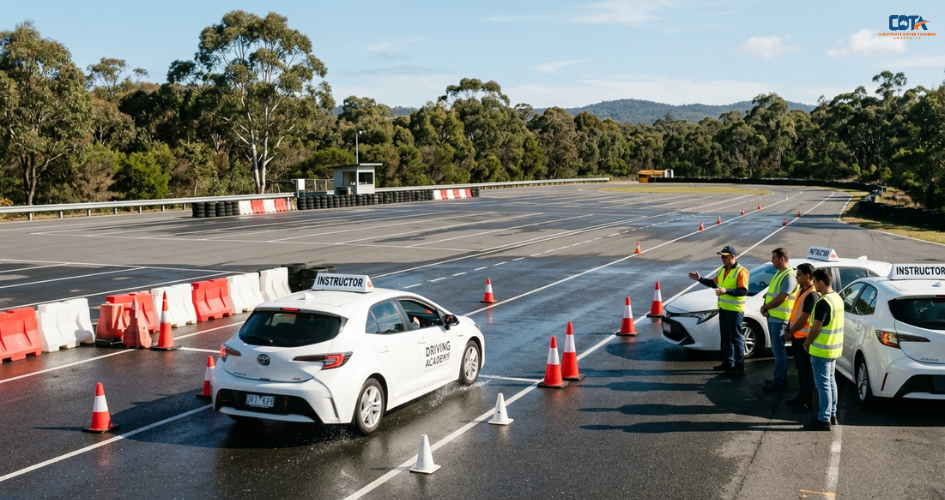
For employees who drive as part of their work, these skills need to become part of everyday driving rather than something remembered from a training session years ago. Well-structured driver training programs can be included in onboarding, refresher training, or regular workplace safety reviews. Defensive driving training for employees can also be tailored to the types of vehicles, journeys, and road conditions they regularly encounter. Businesses can reinforce training through clear driving policies, fatigue management, journey planning, and regular conversations about driving risks.
Safer Drivers, Safer Fleets
For businesses operating multiple vehicles, fleet driver training can help establish consistent expectations across the workforce. It also gives businesses an opportunity to identify areas where drivers may need additional support. Training works best as part of a wider approach to safety. Vehicle maintenance, appropriate scheduling, journey planning, and managing workplace fatigue all have a role to play.
Prevention Starts Before the Emergency
A defensive driving course cannot remove every risk from Australian roads, and no driver can predict everything that will happen around them. What training can do is help drivers recognise hazards earlier, create more time and space to respond, and make safer choices when conditions change.
At Corporate Driver Training Australia, practical training helps organisations build safer driving habits that employees can use in their everyday work and beyond. Better preparation behind the wheel can make a real difference to drivers, businesses, and everyone sharing the road.
Frequently Asked Questions
Q1. What does a defensive driving course teach?
A: A defensive driving course typically focuses on hazard awareness, safe following distances, speed management, distraction, fatigue, and making safer decisions in changing road conditions.
Q2. Can defensive driving help prevent accidents?
A: It can help reduce driving risks by teaching drivers to identify hazards earlier, maintain appropriate space, and make safer decisions before situations become emergencies.
Q3. Who can benefit from defensive driving training?
A: Any driver can benefit, particularly people who drive regularly for work, travel long distances, operate fleet vehicles, or regularly encounter busy or changing road conditions.
Q4. Why is defensive driving important for workplace drivers?
A: Employees who drive for work face many of the same road risks as other drivers, along with pressures such as fatigue, time constraints, and frequent travel. Training can help them manage these risks more safely.