What This Article Covers
Learn why regular defensive driving training helps Australian businesses manage workplace driving risks, support WHS responsibilities, and keep employees prepared for changing road conditions.
Is Your Team Still Prepared for the Road?
It’s said that complacency is the forerunner of mediocrity, and rightly so. When it comes to workplace driving safety, one of the biggest mistakes businesses make is becoming complacent. You might let corporate and fleet driver training become a box to tick during onboarding, thinking that training a driver once is enough. However, the roads your employees drive on today may not look the same as they did when they first completed their driver safety training course. Over time, their work demands may increase, the vehicles they use and the routes they take may change, traffic patterns may evolve, and new rules and laws might come in. All these changes can affect how safely and effectively they drive to work. So, if your business has employees that get behind the wheel regularly, you cannot treat driver safety training as a once-and-done exercise. If you want your drivers to keep pace with the changing conditions and stay safe on the road, you need to offer regular defensive driving training for employees.
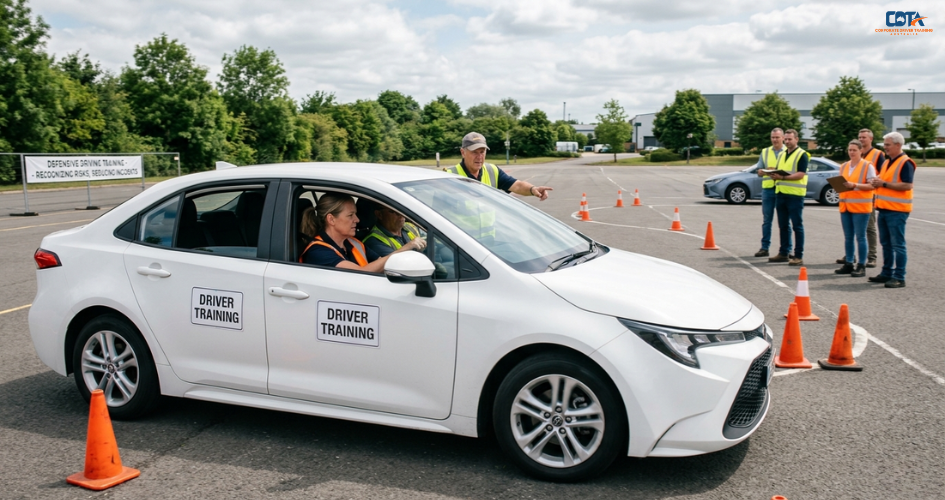
A defensive driving course can give employees practical tools to recognise hazards earlier, make safer decisions, and respond more calmly when conditions change. It can reinforce safer habits, address changing risks, and form part of a broader workplace safety approach.
A Licence Is Only the Starting Point
Businesses often think a valid licence means the driver is skilled enough to stay safe on the road. But workplace driving can present challenges that go beyond everyday trips. If your employees spend hours travelling between sites, deal with heavy traffic, work long shifts, or drive unfamiliar vehicles and roads, they might face issues beyond the road conditions too. Driving is already a high-risk activity, and the pressure of punctuality or the stress and fatigue of working long hours can take a toll on their concentration, adding another layer of risk to workplace driving. However, drivers cannot afford to be less focused. They need to stay alert to distractions, changing weather, roadworks, cyclists, pedestrians, and unpredictable traffic. That’s why businesses need to consider fatigue, stress, and distractions as valid workplace health and safety risks and take measures to manage them as far as reasonably practicable. Regular training gives businesses an opportunity to revisit these issues rather than assuming drivers will always remember what they were taught years ago.
Why Ongoing Training Matters for WHS
Do you also think workplace driving safety isn’t something a business should be responsible for? Simply because a driver doesn’t sit in the work premises to work doesn’t mean the risks involved in their job aren’t the business’s concerns. Workplace driving is still a workplace activity. Even government bodies like Safe Work Australia recognise a vehicle being used for work purposes as a workplace, whether it belongs to the business or the employee. So, it’s the responsibility of the business to identify and manage the WHS risks associated with workplace driving and the vehicles used, so far as is reasonably practicable. And proper defensive driving training for employees is just one part of that process.
Driver training programs can work well with other measures like vehicle maintenance, safe work procedures, fatigue management, and clear driving policies to give a business more control in ensuring workplace driving safety. It can reinforce expectations around following distances, speed, hazard awareness, fatigue, and distractions. It also gives you a chance to identify areas where drivers may need additional support.
What you need to remember is that the main purpose of refresher defensive driving courses isn’t only compliance. It is to make sure the training remains relevant and useful as workplace driving risks change.
What Should Drivers Be Refreshed On?
So, drivers don’t usually need to address all aspects of their initial driver training every time they take a refresher course. A good driver safety training course should focus on situations your employees are likely to face on Australian roads, rather than simply revisiting basic licence requirements. Here are some key areas you should ensure your training revisits:
As a business, you should also focus on offering training tailored to the vehicles, routes, duties, and risks relevant to your requirements. However, a worker travelling between metropolitan sites may face different risks from someone regularly driving long distances or carrying equipment. So, the training you offer should reflect the type of driving your employees actually do. This is where practical driver training programs can be more useful than a generic refresher.
Make Driver Training Part of the Routine
Regular fleet driver training does not necessarily mean sending every employee through the same course at the same time each year. Instead, what you can do is build driver safety into your existing workplace processes. You can have new employees receive training as part of their onboarding and schedule refresher sessions as part of regular safety reviews. While additional training may be appropriate after a crash, near miss, change in driving duties, or introduction of a different vehicle. Also, you should consider refreshing their training when workplace risks change. You should identify hazards, assess risks, implement controls, and review those controls regularly to make sure they continue to work.
Don't Let Driver Training Become a Tick-Box Exercise
Workplace driving risks do not stay still, so fleet driver training should not either. A refresher course can help employees revisit safe habits, respond to changing risks, and stay better prepared for the realities of driving for work. Regular defensive driving training for employees is not about assuming experienced drivers have forgotten how to drive. It is about recognising that even good drivers face new situations, changing conditions, and workplace pressures over time.
For businesses, keeping driver education current is a practical way to support safer driving and a stronger workplace safety culture. At Corporate Driver Training Australia, we can tailor our defensive driving courses to the needs and risks of different workplaces, helping you address the risks particular to your business. Book our driver training programs today to help your drivers stay prepared for the roads they actually use.
Frequently Asked Questions
Q1. How often should employees receive defensive driving training?
A: There is no single training frequency that applies to every business. Employers should consider their workplace driving risks, driver performance, incident history, and any changes to vehicles or duties when deciding when refresher training is needed.
Q2. Is defensive driving training mandatory for Australian businesses?
A: Australian WHS laws do not specifically require every business to provide a defensive driving course. However, employers must manage workplace risks so far as is reasonably practicable, and driver training may form part of an effective risk management approach.
Q3. Why is refresher driver training important for experienced drivers?
A: Even experienced drivers can develop poor habits or face new risks as their work, vehicles, routes, and driving conditions change. Refresher training helps reinforce safe driving practices and keep important skills current.
Q4. What should a workplace driver training program include?
A: Training should reflect the risks employees actually face. Depending on the role, this may include hazard perception, fatigue, distraction, speed management, safe following distances, vehicle awareness, and responding to changing road and traffic conditions.