What This Article Covers
Learn how liability is determined after company vehicle accidents, when employers or employees may be responsible, and how businesses can reduce legal, financial, and operational risks.
A Single Accident Can Create More Than Vehicle Damage
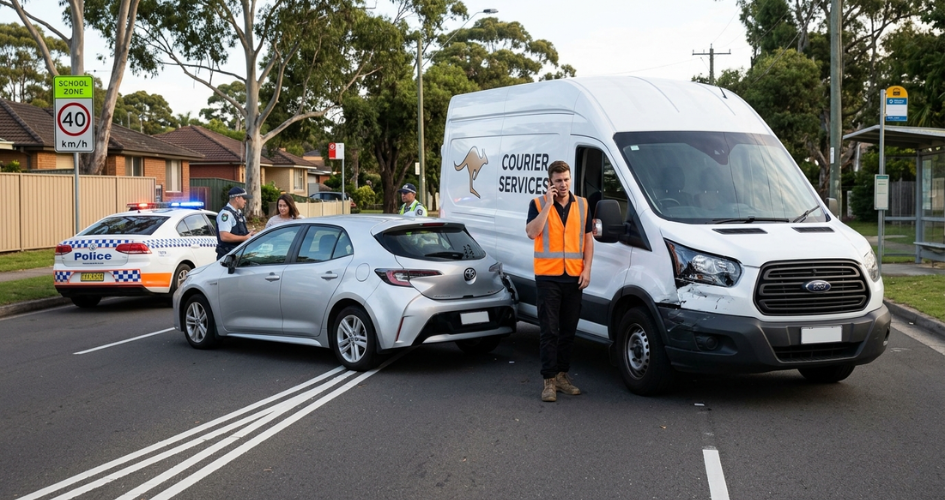
You’re driving your company vehicle, and you get into an accident. What is the first thought that comes to mind? You’d immediately think of repair costs, insurance claims, or getting your vehicle back on track. However, those aren’t the only consequences of an accident. You also need to consider questions about liability, legal responsibility, workplace safety, and business risk.
When a company driver causes an accident, the most important question for employers is who is actually responsible? And there’s no straight answer for it. Whose responsibility it is may depend on the reason why the employee was driving, whether they followed company policies, and what steps the business took to manage driving-related risks in the first place. From fleet management to corporate driver training, there’s a lot that businesses can do to ensure safety in workplace driving. When businesses understand these factors, they can take better precautions and protect themselves before an incident occurs.
Liability Is Not Always Straightforward
When corporate drivers have an accident, finding out who is liable is a challenge in itself. It often comes down to what happened during and around that event. So, if a corporate driver doing company work gets into an accident, the employer can be held responsible. For example, if a sales representative is travelling to meet a client or a technician is driving between job sites and they get into an accident, it’s the duty of the business to account for the resulting damages.
However, sometimes the drivers become personally responsible. For example, if a company vehicle is used for personal purposes without authorisation, or if a driver behaves recklessly and goes against company expectations, then the individual driver becomes the one liable for the consequences.
Beyond these two possibilities, there are also cases where the liability is shared. The driver’s behaviour may cause the accident, but if the company’s policies, supervision, or risk management practices are also lacking, then both parties become liable. This is why accident investigations often look beyond the immediate cause of the collision.
Three Common Forms of Liability
Vicarious Liability: One of the most common forms of business responsibility is vicarious liability. In this case, if the actions of an employee occur within the normal scope of their employment, then their employers can also be held responsible for their actions. Simply put, if you’re an employee and cause an accident while driving for work, your company can be legally accountable for the damages.
Direct Liability: The second type of liability that you can face is direct liability. Unlike vicarious liability, this focuses on the company's own actions or failures. For example, if a business doesn’t maintain its vehicles, neglects corporate driver training, ignores known safety concerns, or hires drivers without proper checks, it can be held accountable.
Employee Misconduct: Another common form of liability is employee misconduct. If a driver deliberately breaches company policies, drives under the influence, or uses a company vehicle without authorisation, they may bear a greater share of the responsibility. However, even in these situations, investigators may still examine whether the business had adequate policies, supervision, and controls in place.
The reality is that after an accident, attention often extends beyond the driver to the systems and processes supporting them.
Insurance Helps, But Prevention Is Better
Accidents also have a big financial impact, and commercial vehicle insurance can help businesses deal with them. But don’t make the mistake of thinking it’s the only protection. Sometimes, the insurance protection may not even provide proper coverage for the business. In fact, it can create additional costs with rising premiums, coverage limitations, policy exclusions, and excess payments.
This is why prevention is still one of the most effective strategies for risk management. Businesses can reduce the likelihood of accidents occurring in the first place through driver screening, regular vehicle maintenance, clear safety policies, and ongoing corporate driver training. Investing in prevention is often far less expensive than dealing with the consequences of an avoidable incident.
The First Steps Matter Most
When businesses are well-prepared to deal with an accident, it can help protect both employees and the business. How they handle the situation, what first steps they take, makes the biggest impact. Here’s what businesses can do:
-
First, ensure everyone involved is safe and contact emergency services if required.
-
Next, gather important information, including photographs, witness details, vehicle information, and relevant documentation from the scene.
-
Next, they should report the incident to the management and the insurer as soon as possible. Delays in reporting can complicate investigations and claims processes.
-
Finally, conduct an internal review to understand what happened and identify any lessons that can help prevent similar incidents in the future. Thorough documentation can also provide valuable evidence if liability questions arise later.
Managing Risk Before Accidents Happen
Company vehicle accidents can create financial, legal, and operational challenges that extend far beyond vehicle repairs. While liability often depends on the specific circumstances, businesses that prioritise prevention, corporate driver training, and clear policies are generally better positioned to manage risk.
Rather than focusing solely on what happens after an accident, organisations should take proactive steps, like introducing strong driver management practices, to reduce the likelihood of incidents occurring in the first place. Offering quality corporate driver training services through professional providers like Corporate Driver Training Australia can be the first step towards that change. Not only does it improve safety, but it can also help minimise legal exposure and protect the long-term interests of the business.
Frequently Asked Questions
Q1. Is an employer liable for an employee's car accident in Australia?
A: Often, yes. Employers may be liable if the accident occurs while the employee is performing work-related duties. However, if the employee was acting outside their role or using the vehicle for personal reasons, liability may differ.
Q2. What are the consequences of workplace accidents?
A: Workplace accidents can lead to injuries, vehicle damage, insurance claims, legal costs, operational disruptions, and increased insurance premiums. They may also affect employee well-being and business reputation.
Q3. Are you covered if you have an accident on the way to work?
A: Generally, a regular commute is not considered part of work duties, so employer liability may not apply. However, coverage can vary depending on the circumstances and the insurance or workers' compensation arrangements in place.
Q4. What is the first step in case of a workplace accident?
A: The first step is to ensure the safety of everyone involved. Check for injuries, move to a safe location if possible, and contact emergency services if medical assistance is required. Once immediate safety concerns are addressed, the incident should be reported and documented.