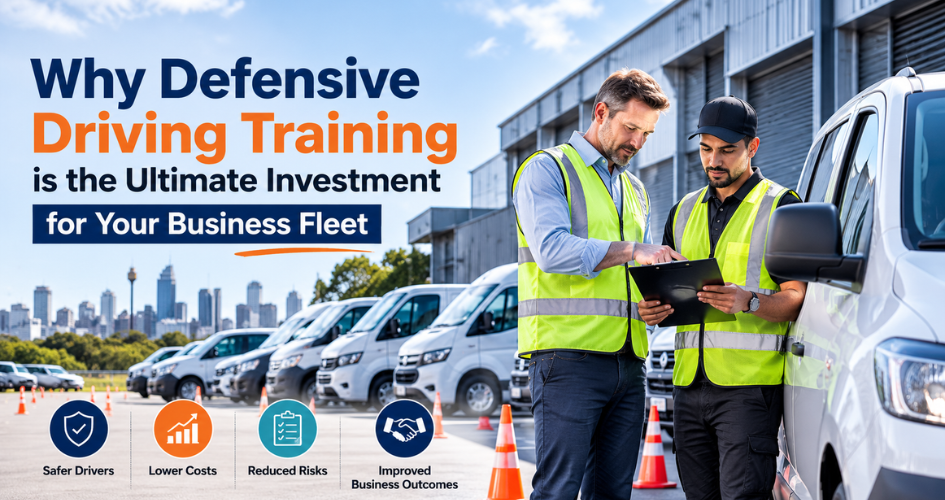
Every time one of your employees steps into a company vehicle, your business takes on a risk. Whether they are driving a ute to a job site, towing a heavy trailer through regional areas, or navigating busy city traffic for sales meetings, road safety directly impacts your bottom line.
Accidents happen in a split second, but their consequences can last for months—from costly vehicle repairs and rising insurance premiums to downtime and workplace compensation claims.
That is where a defensive driving course comes in. Investing in practical defensive driver training isn't just a safety precaution; it is a smart business decision.
Let’s break down what defensive driving really means, why standard driving licenses aren't enough for workplace driving, and how advance driver training protects both your workers and your business profits.
What is Defensive Driving?
Most people think defensive driving simply means sticking to the speed limit and wearing a seatbelt. While those are important, real defensive driving goes much deeper.
Defensive driving is about anticipating hazards before they become dangerous situations. It teaches drivers how to:
-
Identify potential hazards early (like a distracted pedestrian or an erratic driver).
-
Maintain safe following distances under different weather conditions.
-
Manage driver fatigue during long trips.
-
Stay calm and focused under stress or during heavy traffic.
-
React correctly during emergencies without losing control of the vehicle.
In simple terms: standard driving lessons teach you how to operate a vehicle, while a defensive driving course teaches you how to avoid crashes caused by bad weather, poor road conditions, and other people's mistakes.
Why Standard Driving Licenses Aren't Enough for Fleet Drivers
When you hire a new employee who holds a full driver’s license, it’s easy to assume they know how to drive safely. However, standard driver testing only checks if someone can follow basic road rules under normal conditions.
Workplace driving introduces challenges that standard tests never cover:
-
Driving unfamiliar or larger vehicles: Handling a fully loaded commercial ute or towing a trailer requires completely different braking distances and handling techniques.
-
Tight schedules and pressure: Employees often drive while thinking about client meetings, tight deadlines, or long shifts, leading to distraction.
-
Rough terrain and weather: Company drivers frequently face heavy rain, loose gravel, unsealed rural roads, or extreme heat.
Without structured defensive driver training, even experienced drivers fall into bad habits like tailgating, sudden braking, or misjudging road hazards.
Key Benefits of Defensive Driver Training for Corporate Fleets
Implementing professional driver safety programs across your workforce delivers immediate and long-term benefits.
1. Protect Your Most Valuable Asset: Your People
Under Australian Workplace Health and Safety (WHS) laws, a company vehicle is legally considered a workplace. Employers have a duty of care to ensure staff members are trained to handle workplace hazards—and road transport is one of the highest-risk activities employees undertake.
A tailored defensive driving course equips your team with practical skills to stay safe, reducing the risk of injuries and fatalities.
2. Reduce Vehicle Maintenance and Fuel Costs
Aggressive driving habits like fast acceleration, harsh braking, and speeding wear out vehicles much faster.
Through proper training, drivers learn low-risk driving techniques that promote smooth vehicle control. This simple change leads to:
-
Reduced fuel consumption.
-
Less wear and tear on tires and brakes.
-
Lower ongoing fleet maintenance bills.
3. Lower Insurance Premiums and Out-of-Pocket Expenses
High accident rates mean higher insurance excesses and skyrocketing annual premiums. By putting your workforce through formal advanced driver training, many insurance providers offer better terms or lower premiums because your risk profile drops significantly.
4. Minimize Fleet Downtime
When a company car or light truck is involved in an crash, the cost isn't just the repair bill. You lose productivity while the vehicle is in the shop, project timelines get delayed, and you may need to pay for rental vehicles. Keeping your fleet on the road keeps your business earning money.
What Does an Advance Driver Training Program Cover?
A high-quality advanced driver training program combines practical, hands-on driving exercises with easy-to-understand safety concepts.
Here is what a practical training day looks like for your staff:
A. Low-Risk Driving Principles
-
System of Vehicle Control: Learning how to approach intersections, corners, and hazards smoothly.
-
Space Cushion Management: Keeping a safe buffer zone around the vehicle at all times so there is always an "escape route."
-
Hazard Perception: Training the brain to look far ahead rather than just at the bumper of the car in front.
B. Practical Vehicle Handling
-
Emergency Braking Techniques: Understanding how modern braking systems (like ABS) react on wet or slippery surfaces.
-
Vehicle Dynamics: How weight distribution, speed, and sudden steering movements affect vehicle stability.
-
Blind Spot Awareness: Recognizing blind spots in larger commercial vehicles and light trucks.
C. Driver Attitude and Mindset
-
Fatigue Management: Recognizing the early warning signs of tiredness behind the wheel.
-
Managing Distractions: Staying off mobile phones and keeping focus fully on the road.
-
Avoiding Road Rage: Techniques for staying calm and non-reactive when dealing with aggressive drivers.
How to Get Started with Driver Safety Training
Investing in your driver safety culture is simple when you work with qualified experts who understand Australian road conditions and corporate compliance requirements.
Here is how you can implement a driver safety strategy today:
-
Assess Your Fleet Risks: Look at your incident history, the types of vehicles your team drives, and the environments they operate in (city vs. regional/off-road).
-
Choose the Right Course: Select specialized training—whether it’s standard defensive driving, 4WD operations, or trailer towing courses.
-
Schedule Regular Refresher Courses: Driving habits fade over time. Refreshing your team’s skills every 12 to 24 months keeps safety top of mind.
Final Thoughts: Safety Starts Behind the Wheel
At the end of the day, sending your team home safely to their families every night is the highest priority.
By enrolling your workforce in a certified defensive driving course, you build a proactive safety culture that saves money, protects your brand reputation, and most importantly, saves lives.
Ready to upskill your team and secure your fleet? Contact Corporate Driver Training Australia today to discuss customized driver training solutions for your business across Australia.