What This Article Covers
Learn why a defensive driving course is an essential part of workplace safety planning and how it helps businesses improve driver safety, reduce risks, and strengthen safety culture.
Driving Is Part of Workplace Safety
Workplace safety is a big concern that many businesses are now paying more attention to. They invest significant time and resources in creating safer workplaces by implementing manual handling procedures, scheduling regular safety meetings and equipment checks or planning for emergencies. While all this can ensure workplace safety, driving in the workplace remains a significant safety risk that most businesses overlook. Probably because they think that drivers aren’t really on the business premises, so it’s not their responsibility. However, for corporate drivers and employees who travel for work, visit clients, make deliveries, or attend meetings, the road becomes an extension of the workplace. It’s easier to manage workplace safety when you can control the likelihood of mishaps through proper planning. But unlike an office or warehouse, employers cannot control traffic, weather, road conditions, or the actions of other drivers. This makes it more challenging to ensure the safety of corporate drivers. So, what businesses can instead do is prepare their employees to respond to those challenges. That is why a defensive driving course should be considered an essential part of any workplace safety plan.
Driving Is One of Your Biggest Workplace Risks
While you’d think it’s just routine, driving for work still carries many risks that change with every journey. When you’re on the road, there’s no guarantee that the weather will remain favourable, the road conditions won’t change suddenly ot you won’t encounter any issues on the way. In fact, you might leave the office in clear weather only to face heavy traffic, roadworks, distracted drivers, or poor visibility along the way. And for drivers running on tight schedules, unfamiliar routes, or fatigue and stress, the chances of getting into an accident increase considerably.
Many Australian businesses have employees who spend a considerable amount of time behind the wheel each week. Whether it's sales representatives, technicians, supervisors, delivery drivers, or managers, everyone relies on safe driving to do their jobs effectively. Even businesses with only a handful of company vehicles face the same workplace driving risks as larger fleets. Since you cannot fully eliminate all hazards, you should instead focus on preparing drivers to recognise and manage them before they become incidents. This is where driver training programs come in, helping drivers to improve their driving performance and safety on the roads.
How Defensive Driver Training Reduces Risk
Most road incidents can be prevented by safe driving. When drivers know how to anticipate hazards, they can prepare an appropriate response in advance instead of simply reacting to them. And driver safety training courses can help them improve their hazard perception skills.
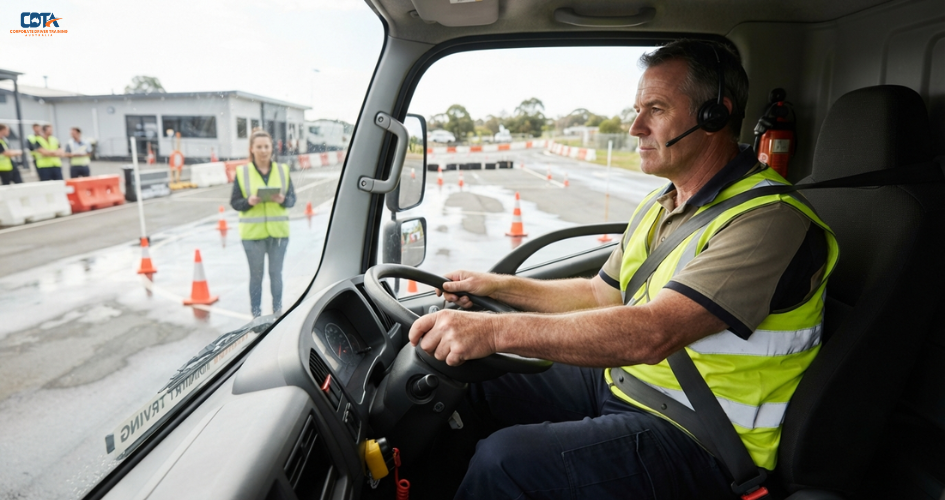
Instead of focusing only on vehicle control, a defensive driving course teaches drivers to stay alert, read traffic conditions earlier, maintain safe following distances, manage fatigue, and make better decisions under pressure. It helps drivers to develop proactive driving habits that reduce risk in everyday situations. From recognising a distracted driver ahead or adjusting speed for changing weather to leaving extra space in heavy traffic, it teaches drivers how to make small decisions that can significantly improve safety.
And the benefits of such driver training programs extend well beyond working hours too. Employees often carry these safer driving habits into their personal lives, helping them become safer, more confident, and responsible drivers both on and off the job.
Why Practical Driver Training Matters
Most businesses rely on workplace policies to ensure safety. But while policies are important, they alone cannot change behaviour. Employees also need practical skills and regular opportunities to reinforce safe driving habits. A well-designed driver safety training course gives drivers the confidence to use the safe driving techniques they’ve learnt in real-world situations, helping them put theoretical knowledge into practice every time they get behind the wheel.
Many organisations now include driver training programs as part of employee onboarding, annual safety reviews, or professional development initiatives. It ensures that new drivers begin their jobs with consistent expectations. But it also helps experienced employees refresh their knowledge and skills as vehicles, road conditions, and workplace responsibilities evolve. By making fleet driver training an ongoing part of workplace safety, businesses create a culture where safe driving becomes a shared responsibility rather than simply another compliance requirement.
The Business Benefits of Driver Training Programs
Fleet driver training has many benefits that go well beyond safety and reducing the risk of accidents. Businesses that invest in defensive driving training for employees often experience fewer vehicle incidents, less downtime, lower repair costs, and improved vehicle longevity. If your drivers adopt skills like smoother acceleration, better hazard awareness, and safer driving techniques, it can also reduce fuel consumption and minimise wear on company vehicles. Safe driving also reflects positively on the business. Professional drivers and well-maintained vehicles help reinforce a company's reputation for reliability, responsibility, and care.
There are benefits for employees too. As a driver, if you feel more confident behind the wheel, you’ll be less stressed during work-related travel and better prepared to deal with unexpected situations on Australian roads.
Make Driver Safety a Priority
A workplace safety plan should protect employees wherever their work takes them, including on the road. While businesses cannot predict every driving hazard, they can equip their employees with the skills to respond safely and confidently. Investing in a defensive driving course is more than a training exercise. It is a practical step towards reducing workplace risks, supporting employee wellbeing, and strengthening the overall safety culture of your organisation.
At Corporate Driver Training Australia, we help businesses develop safer, more confident drivers through practical training tailored to real workplace conditions. Because when safer driving becomes part of your workplace safety plan, everyone benefits.
Frequently Asked Questions
Q1. Why should businesses include a defensive driving course in their workplace safety plan?
A: A defensive driving course helps employees identify and manage road hazards, reduce the risk of workplace driving incidents, and support a stronger overall safety culture.
Q2. Who should complete defensive driving training for employees?
A: Any employee who drives as part of their role, including sales representatives, technicians, managers, delivery drivers, and field staff, can benefit from defensive driving training.
Q3. How does a driver safety training course benefit businesses?
A: A driver safety training course can help reduce workplace incidents, minimise vehicle downtime, lower repair costs, and improve employee confidence when driving for work.
Q4. How often should businesses provide driver training programs?
A: Driver training programs should be ongoing rather than one-off. Many organisations include training during employee onboarding and provide regular refresher courses to reinforce safe driving habits.
Q5. Can fleet driver training help reduce operating costs?
A: Yes. Fleet driver training encourages safer and more efficient driving habits, which can help reduce accidents, fuel consumption, vehicle wear, and maintenance costs over time.