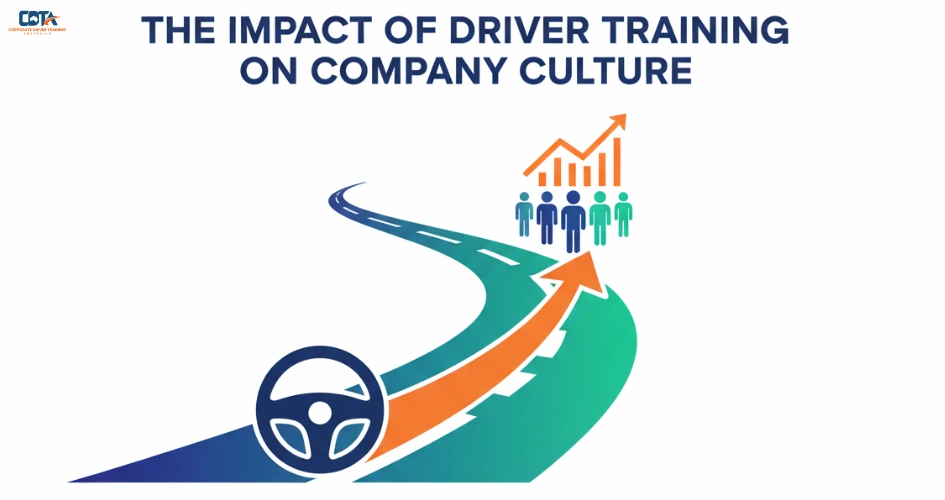
Many people think that driver training is about following road rules and avoiding accidents. While that much is true, the real purpose of driver training goes well beyond mere compliance. It is a way to reduce expenses, improve work culture, establish discipline, build trust and loyalty, and also maintain professionalism, while ensuring safety on the roads. But what’s more, this impact is not just financial or individual. Corporate driver training affects many different aspects of a business’s operations. Many Australian businesses lose millions every year in workplace vehicle accidents that cost them lost time, repairs, and compensation. Plus, a company with stressed, unsafe, or disengaged drivers feels the impact across every department. Corporate driver training is a powerful tool that shapes driver behaviour, strengthens values, and builds a workplace that values performance and loyalty. The most effective corporate driver training services can prepare safer drivers, transforming safety from a list of rules into a shared cultural identity.
Turning Safety Into a Core Company Value
Talking about safety and providing an environment of safety through your actions are two different things. When companies offer their employees a low-risk driving course, it sends a clearer message of the company’s values and beliefs than any policies about employee well-being. It shows that the business values safety, not just in their documents, but also in action.
Simply laying down rules and making them mandatory may not be as effective, impactful, and lucrative as developing a culture of safety. A structured, meaningful corporate driver training program turns safety into a part of daily behaviour rather than a policy gathering dust. It creates shared awareness, boosts confidence behind the wheel, and builds habits that protect not only the driver but the entire organisation. So, when a company has safety at its foundation, everything else becomes stronger, too.
Building Accountability and Confidence
A safe and responsible driver is the cornerstone of road safety. However, ingraining the qualities of safety and accountability in drivers is a challenging task. Corporate driver training teaches drivers that they’re responsible for their own choices, no matter who they are. How drivers anticipate hazards, respond to them, and protect themselves and others depends on their judgment and decisions while driving. But more importantly, it helps them understand that they’re accountable for these decisions. When drivers learn to take ownership of their actions on the road, this mindset often flows into their wider work life. Employees who understand the importance of responsibility tend to be better decision-makers, more reliable and confident.
Corporate driver training also helps in building trust and loyalty. When businesses invest in training programs, like the low-risk driving course, it tells the employees that they’re valued and genuinely cared for. This helps boost loyalty and satisfaction, naturally encouraging employees to work harder and perform better to support their employer. For businesses, meaningful training can be a great benefit and a development opportunity that boosts confidence, reduces stress, and helps employees feel genuinely cared for.
Strengthening Teamwork and Workplace Connections
A strong company culture thrives on communication and teamwork, and corporate driver training supports both. Through group activities, special exercises, and discussions, it helps people to interact and learn from one another. Sharing experiences, asking questions, and exchanging solutions help employees build relationships that last long. This teamwork helps build trust, improve communication on the road, and helps employees support one another when challenges arise.
Beyond these benefits, training programs also benefit the company by helping to reduce downtime, decrease insurance claims, and improve fuel efficiency. These benefits reinforce the message that every safe choice contributes to overall success. Through corporate driver training services, employees understand that they’re not just driving well — they’re driving the business forward.
Stronger Culture, Safer Teams: The True Impact of Corporate Driver Training
When done right, driver training becomes much more than a compliance activity. It builds a culture where safety is valued, individuals feel responsible, teams work together, and everyone understands their impact on the organisation’s success. The result is a stronger, more unified, and more engaged workforce. Investing in corporate driver training isn’t an expense; it’s a cultural upgrade.
If you’re ready to strengthen your workplace culture through meaningful safety training, explore the specialised corporate driver training services offered by Corporate Driver Training Australia.
Frequently Asked Questions
Q1. How does corporate driver training influence company culture?
A: Corporate driver training helps build a stronger company culture by promoting safety, responsibility, teamwork, and communication. When employees receive structured training, they feel valued and supported, which leads to better engagement and a more positive workplace environment.
Q2. What is a low-risk driving course, and why is it important?
A: A low-risk driving course teaches drivers how to avoid hazards, make safer decisions, and reduce the likelihood of accidents. It’s important because it shifts safety from being a policy to a daily practice, helping create a culture where every employee prioritises safe driving.
Q3. How does corporate driver training improve employee accountability?
A: Through corporate driver training, employees learn to take ownership of their behaviour on the road. This sense of responsibility often translates into other areas of work, improving reliability, performance, and professionalism.
Q4. What are the broader benefits of corporate driver training services for businesses?
A: Professional corporate driver training services not only improve driver safety but also reduce operating costs, lower downtime, support sustainability goals, and strengthen cultural alignment across the organisation. Training helps employees understand how their actions contribute to the company’s overall success.